ContiMech
Robotics & Automation Engineering

Capabilities / System engineering / Requirements engineering

System Engineering · Requirements Engineering

Requirements that survive design, integration, and change.

We convert drawings, legacy specifications, interface descriptions, stakeholder input, and operating scenarios into an allocated requirement baseline with explicit verification criteria.

ElicitationDecompositionAllocationTraceabilityVerificationSafety & cybersecurity
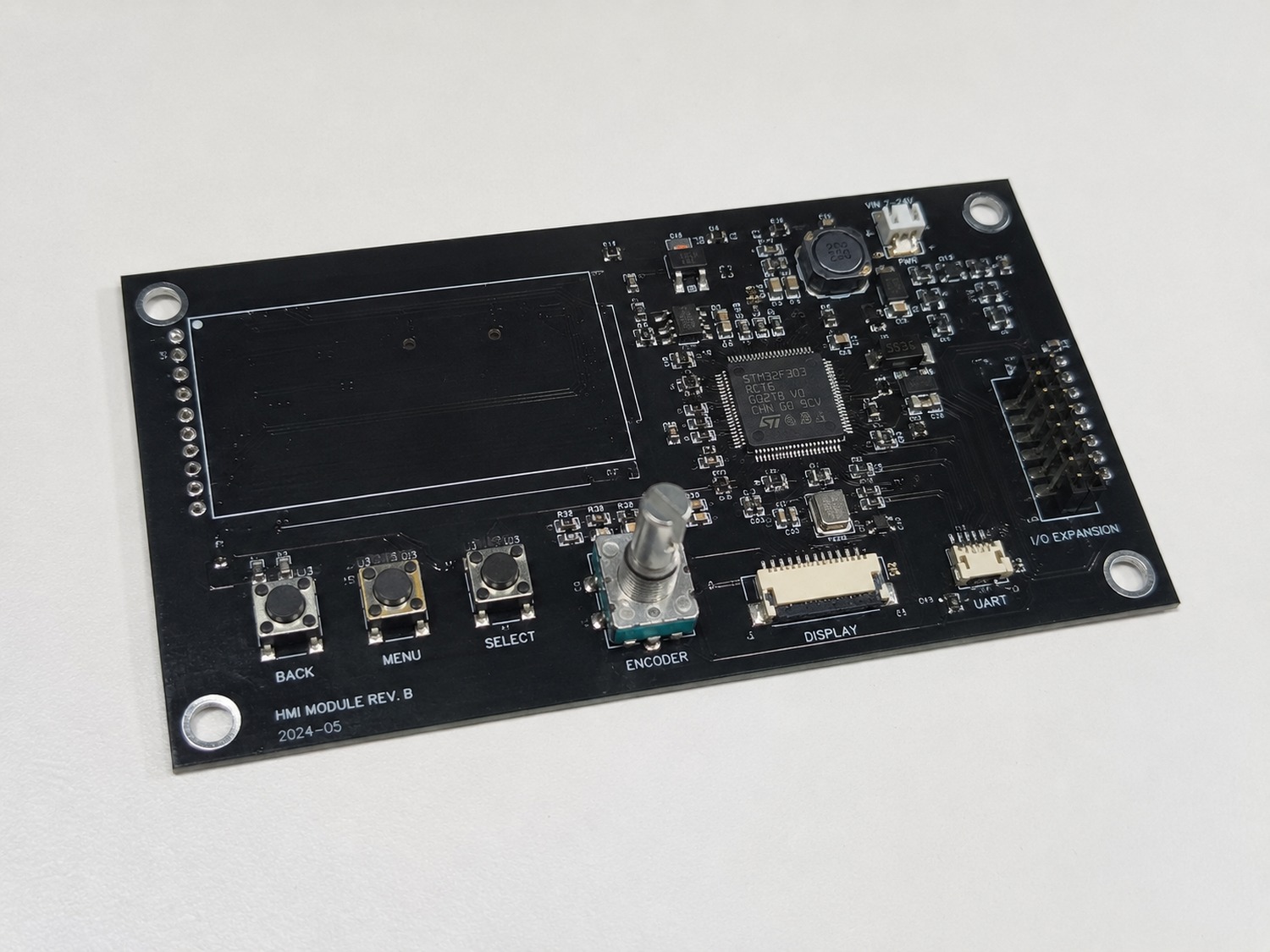
Drawing / datasheetGeometry, ratings, supplier constraints
Protocol / interfaceSignals, messages, timing, failure behaviour
Legacy productExisting behaviour, limitations, carry-over
Stakeholder needBusiness reason, user scenario, acceptance intent
Engineering analysisContext · constraints · decomposition · allocation · quality reviewTraceable, verifiable baselineSystem · HW · SW · mechanical · interfaces · verification
Engineering route

From source material to evidence

The workflow connects source evidence, system context, responsibility, and verification. Each step leaves a reviewable artifact.

Source material is catalogued and referenced. Drawings, datasheets, protocols, legacy requirements, architecture notes, regulations, and stakeholder statements remain traceable to the requirements derived from them.
Worked examples

How requirements look in practice

Five compact examples show the path from source material and system context to allocated requirements and verification. Use the arrows to move through the cases.

Requirement quality

Quality checks that change the design outcome

We review each requirement for atomicity, engineering meaning, allocation, boundary conditions, and an objective PASS / FAIL path.

Ambiguity
Weak“The interface shall be fast and reliable.”
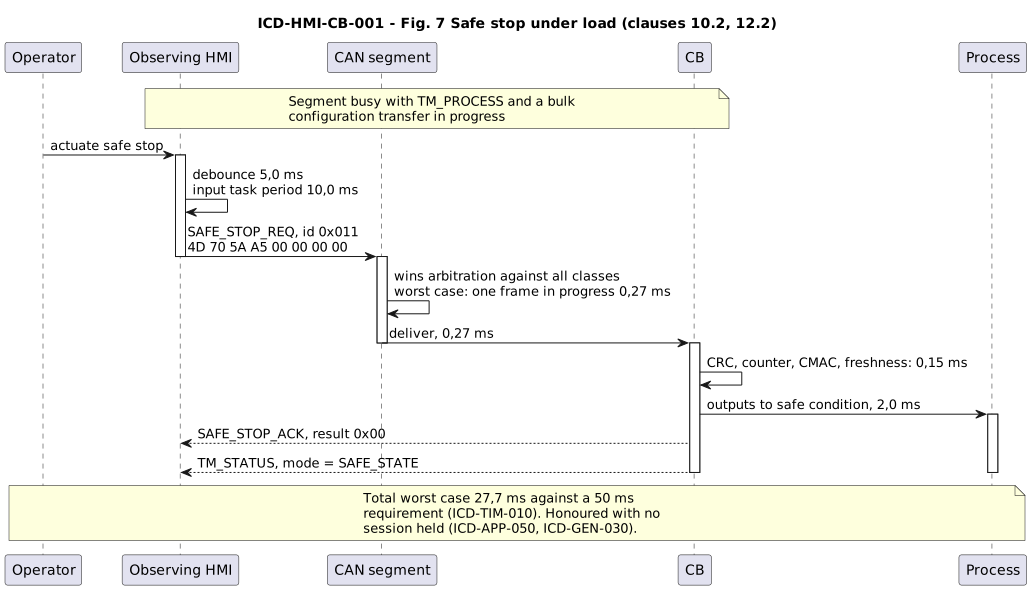
Engineered“The end-to-end SAFE_STOP path shall actuate the output within 50 ms of the operator input.”
Design leakage
Weak“Use component X and material Y to make the interface robust.”
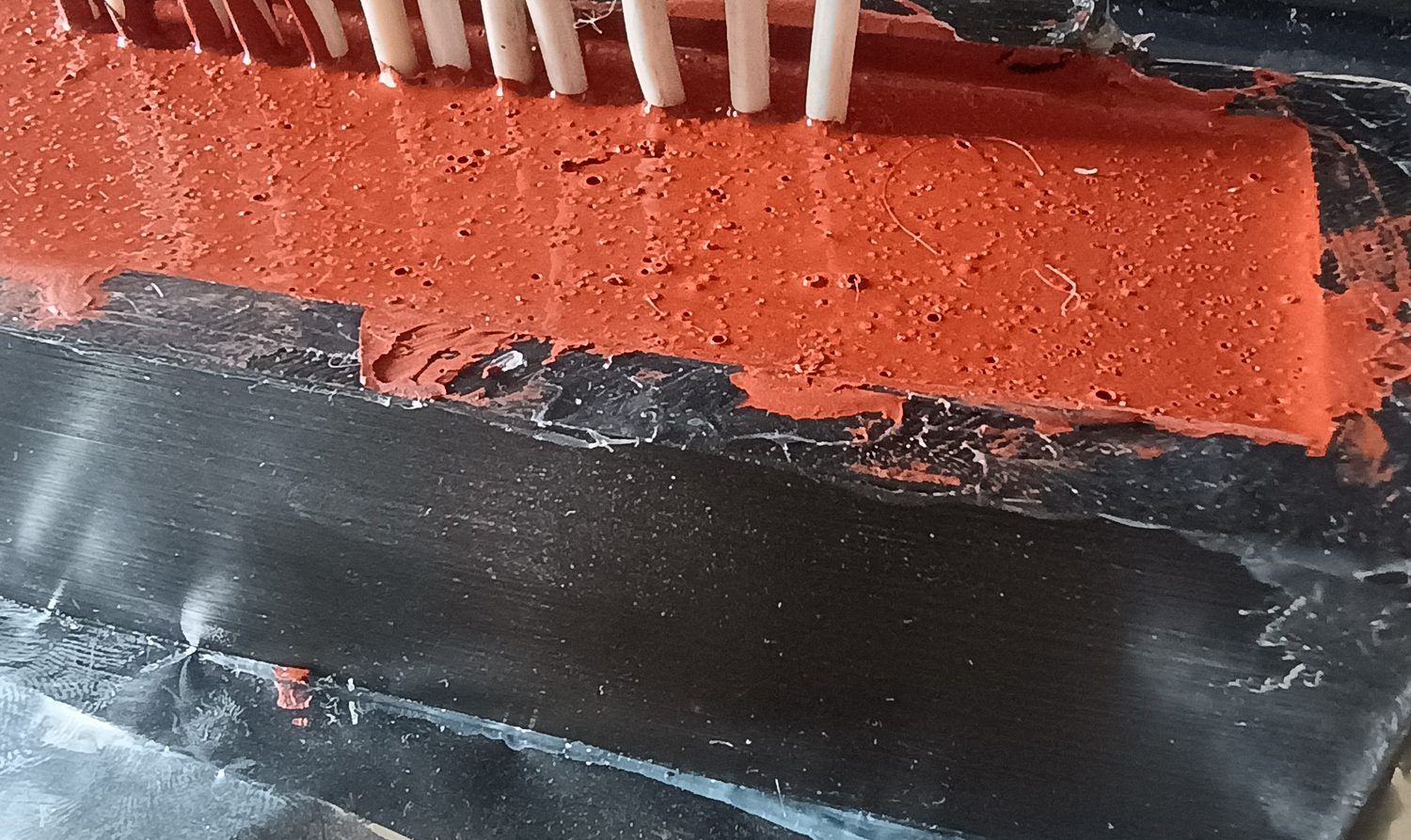
Engineered“The potting process shall preserve all connector mating surfaces and required pin clearances.”
Verification
Weak“The controller should log errors.”
Engineered“The firmware shall record defined event, fault, and system-state records for commissioning and troubleshooting.”
Capability scope

What we can own

A focused audit, a complete requirements package, or ongoing ownership inside your engineering team.

01

Elicitation & context

Stakeholders, operating scenarios, system boundary, assumptions, constraints, degraded modes, open points.

02

System requirements

Functional behaviour, modes, performance, diagnostics, interfaces, failure response, maintainability.

03

HW / SW / mechanical allocation

Decomposition with explicit responsibility, interface ownership, derived limits, and implementation boundaries.

04

Interface requirements

Electrical, mechanical, communication and behavioural contracts; ICD inputs and controlled interface assumptions.

05

Safety & cybersecurity

Traceable safety or cybersecurity requirements derived from the applicable goals, analyses, and lifecycle context.

06

Verification & change impact

Verification method assignment, requirements-based tests, traceability, baselines, reviews, and change impact analysis.

Standards & frameworks

Applied where they add engineering control

Process depth follows the customer domain, product risk, assurance target, and existing engineering workflow.

ISO/IEC/IEEE 29148:2018Requirements engineering processes, information items, and requirements characteristics.Official reference ↗
Automotive SPICE® 4.0SYS.2, HWE.1 and SWE.1 for system, hardware and software requirements analysis.VDA QMC ↗
ISO 26262:2018Functional-safety requirements, decomposition, allocation, traceability, and verification for automotive E/E systems.Official reference ↗
ISO/SAE 21434:2021Cybersecurity engineering and traceable requirements derived from cybersecurity risk management.Official reference ↗
IEC 61508Functional-safety lifecycle context for applicable E/E/PE industrial safety-related systems.IEC reference ↗
Engagement models

Start where your project actually is

2–3 weeks

Requirements audit

Quality, ambiguity, missing constraints, weak decomposition, allocation gaps, verification gaps, and broken traceability — ranked into a remediation plan.

Defined work package

Requirements development

Turn concept material, drawings, legacy documentation, interfaces, and stakeholder input into a structured technical baseline.

Ongoing

Requirements ownership

Maintain the baseline, lead clarification, manage change impact, and keep architecture and verification aligned as the product evolves.

Stakeholder / system requirementsHW / SW / mechanical requirementsICDsTraceability matrixVerification matrixAssumption & open-point registersAudit findingsChange-impact analysis
Bring engineering source material

Drawing, protocol, legacy specification, backlog, or a system problem with open decisions.

We can review the source, resolve missing engineering context, and deliver a requirement baseline with allocation and verification.

Discuss a requirements package →