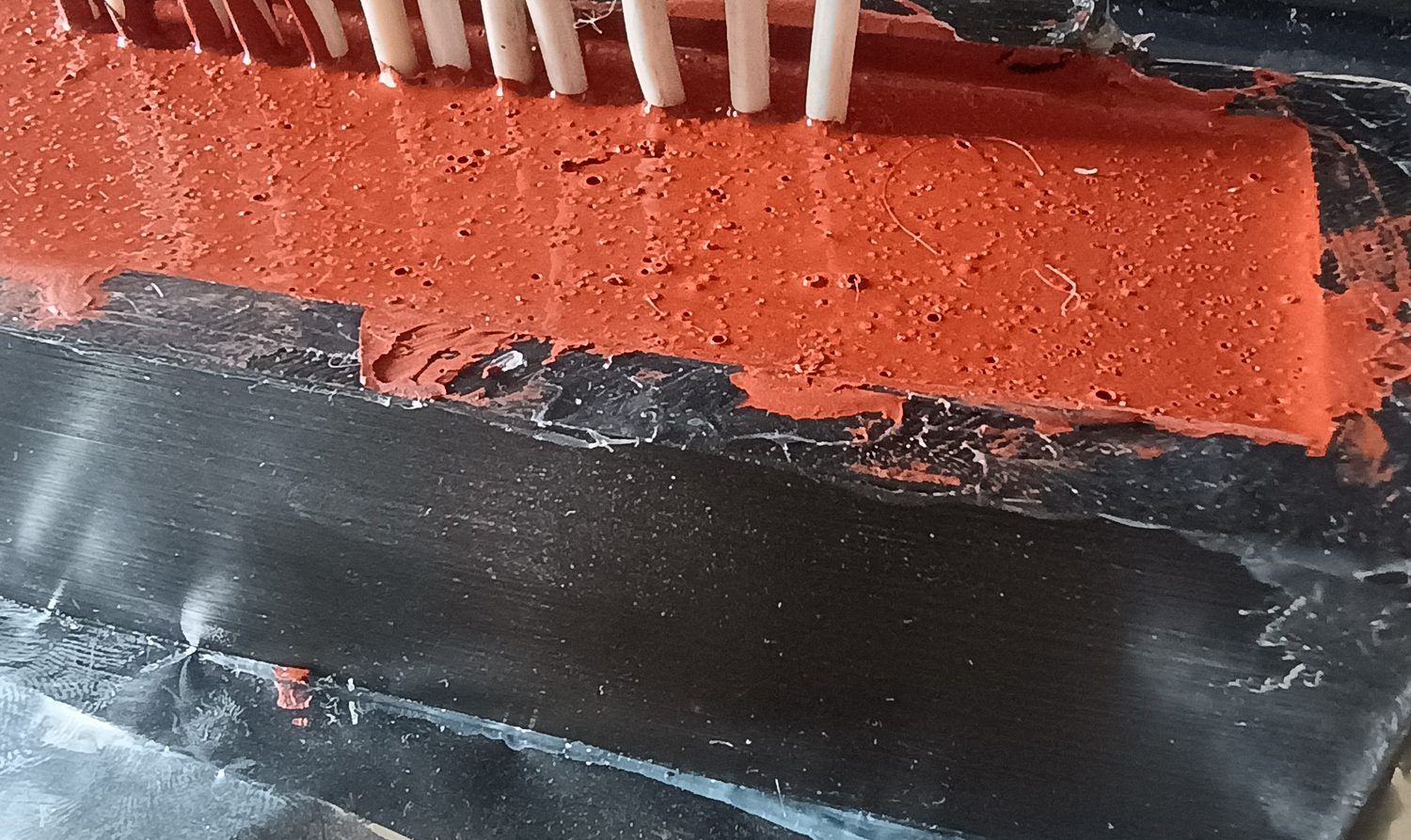
The task was not to make a pretty enclosure. The task was to make a small adapter reliable enough for the factory floor. Empty space inside the housing would leave the electronics, pins, and solder joints exposed to vibration, mechanical shock, humidity, and thermal stress. The protection had to be physical, repeatable, and compatible with a compact connector body.
Customer context
Engineering approach
We treated the adapter as a small mechatronic assembly, not just as an electronics part. The decision covered the compound, the potting process, connector clearances, fill behavior, cure behavior, inspection points, and future reproducibility.
- AssessHousing, pins, cavities, risk zones, and surfaces that must stay clean.
- SelectCompound route: compliant two-component polyurea instead of a rigid potting block.
- PrepareMasking, cleaning, orientation, and fixture logic before the pour.
- PotPour while low-viscosity so the material flows around pins and into voids.
- VerifyCheck fill, cured gel state, connector clearance, and customer-visible result.
Why polyurea fit this case
Proof photos
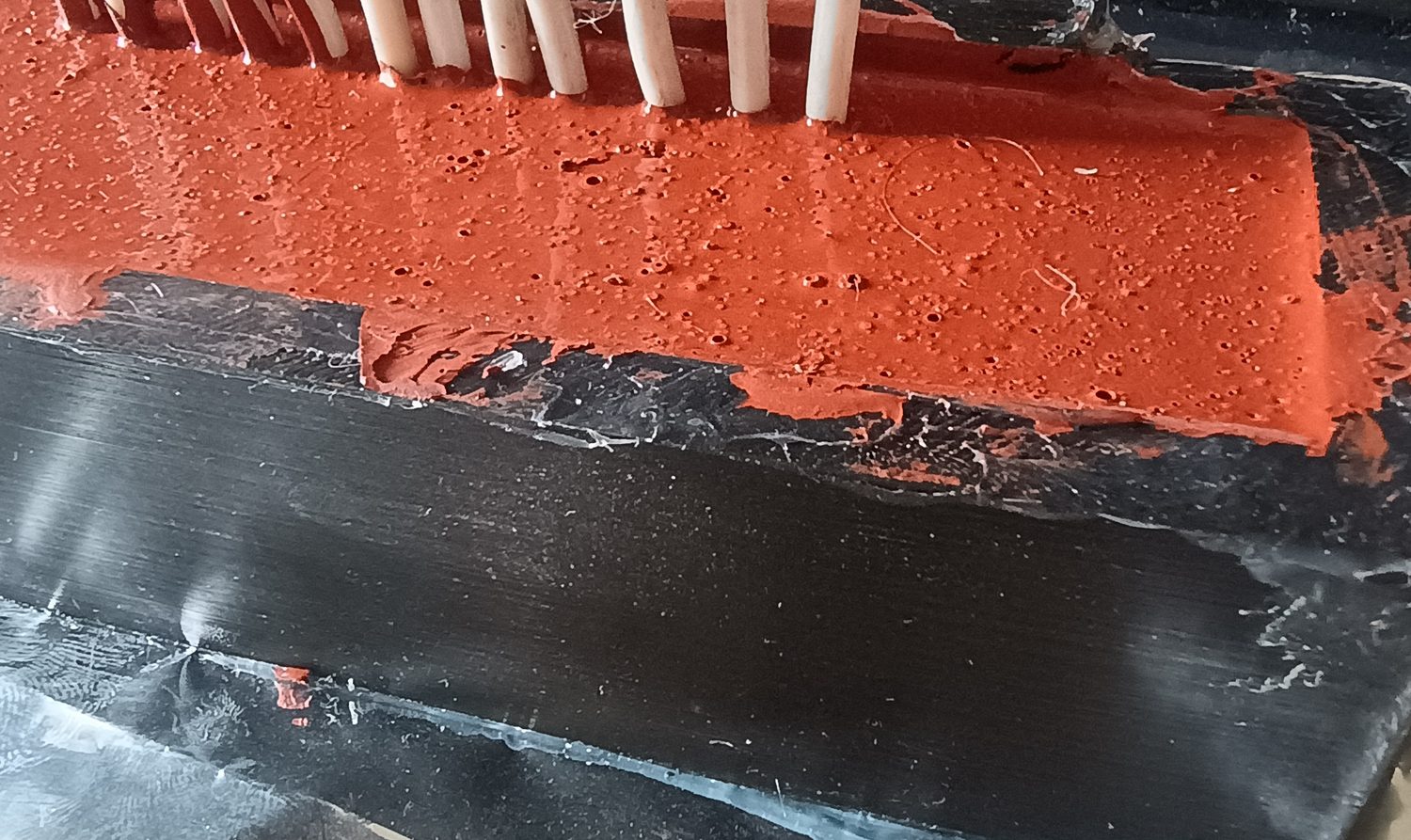
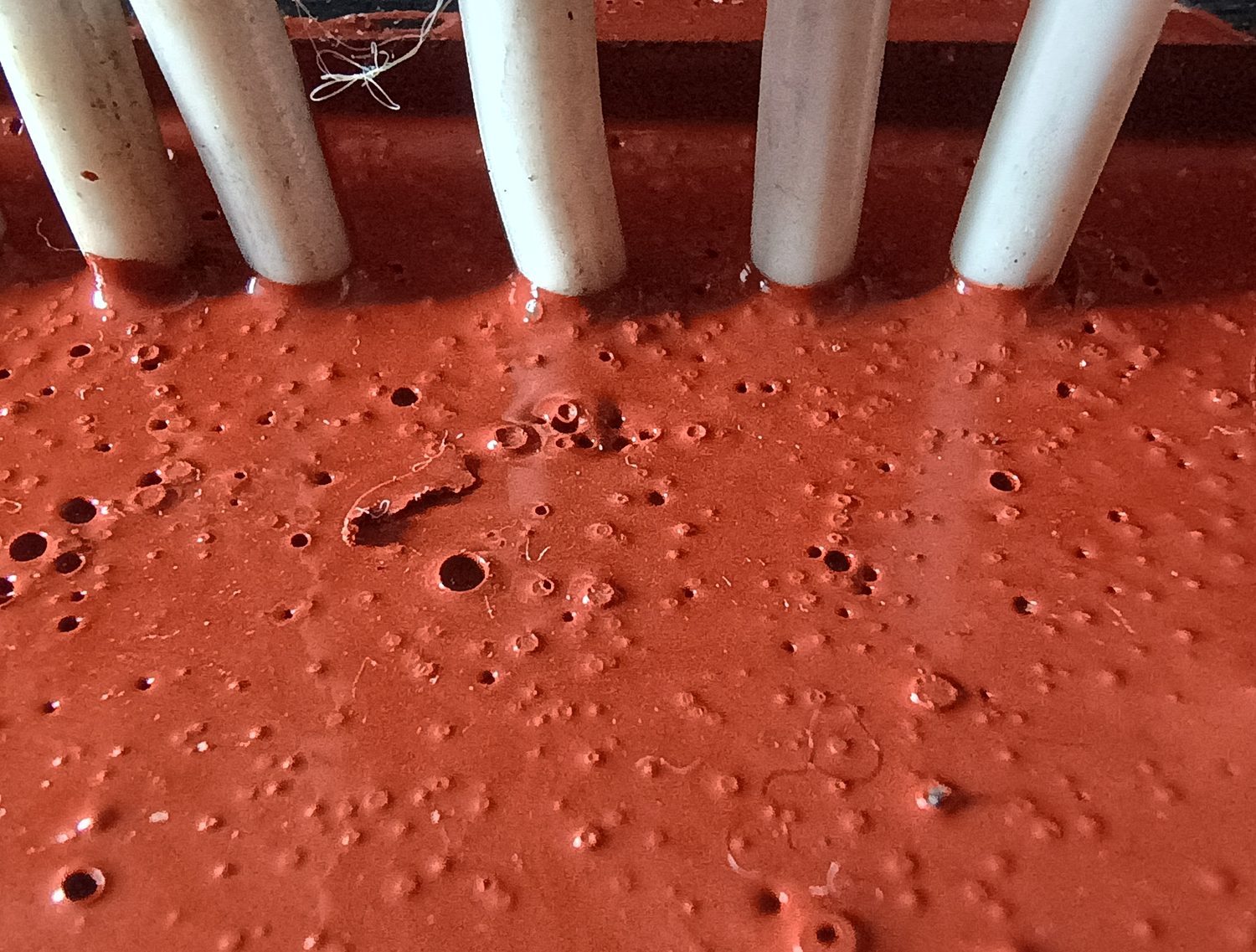
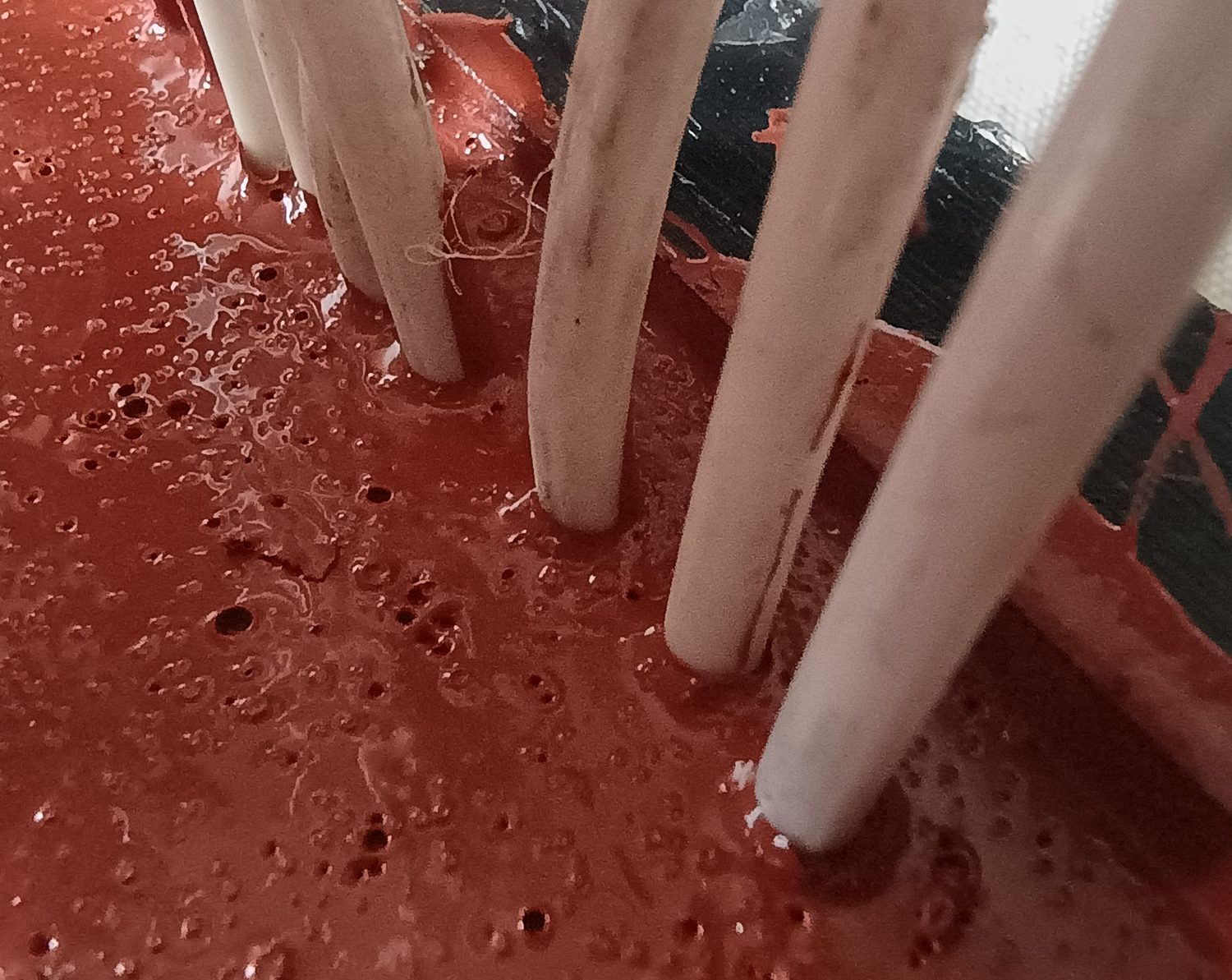
Result
The customer received the expected protective result.
The adapter housing was filled with the selected compound, the sensitive internal areas were protected, and the result matched the customer expectation for factory use. The case also gave us a repeatable potting route that can be reused for similar small housings, connectors, and industrial adapters.