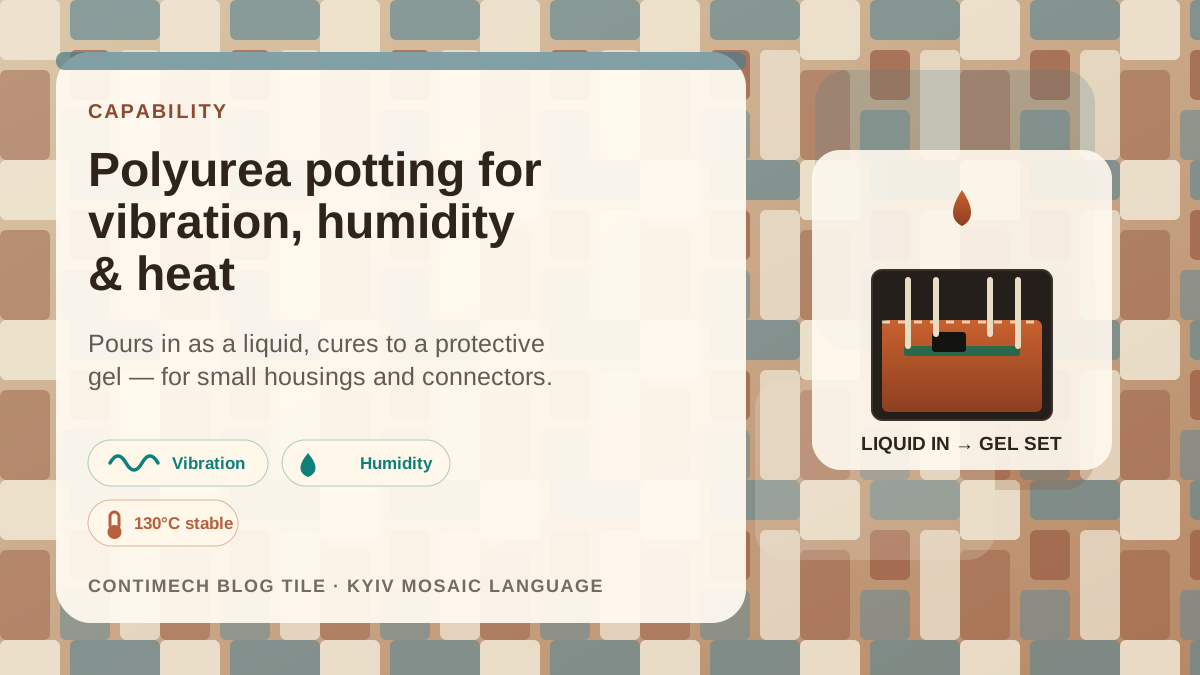
A connector that works on the bench can still die in the field. Months of vibration crack the solder joints; humidity creeps in and corrodes the contacts. The fix is older than it sounds: fill the empty space. We pot small housings and connector bodies with a polyurea that pours in as a thin liquid, wraps every pin and component, then cures to a thick protective gel — stable to 130 °C, springy enough to absorb shock, and sealed against water.
Why small electronics die in the field
An empty enclosure is an invitation. Nothing holds the board, the wires, or the pins in place, and nothing keeps the outside world out. Two failure modes dominate, and they are exactly the two your product faces if it lives on a machine or outdoors.
What we pour in
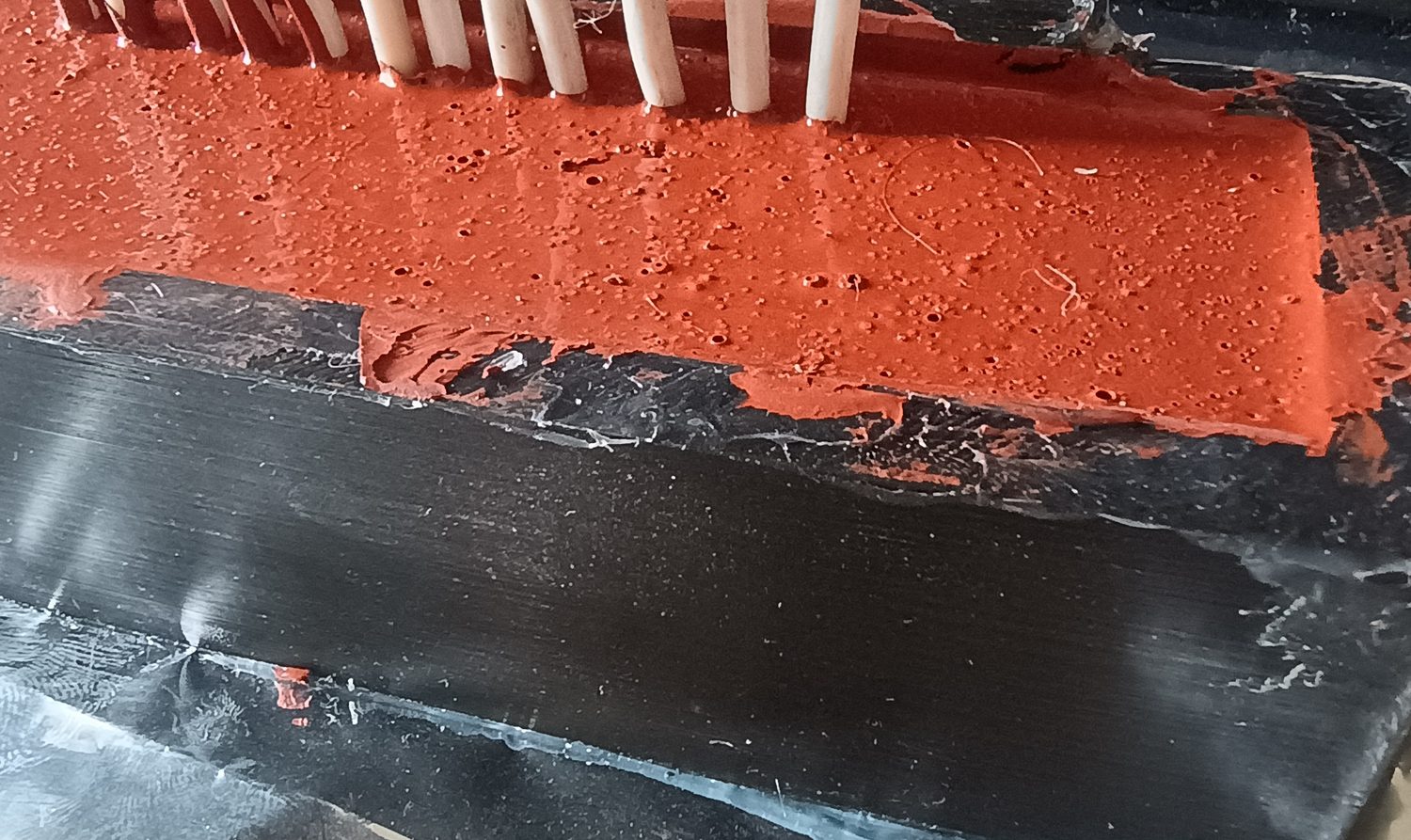
Polyurea is a two-component compound: mix the parts and it polymerizes on its own clock. We pour it while it is still a low-viscosity liquid, so it runs into the tightest corners of a housing, flows around every pin, and pushes the air out instead of leaving voids. Then it cures — not into a hard brick, but into a thick, rubbery gel. That gel state is the whole point.
Three properties that do the work
Why a gel, not a hard block
It is tempting to fill a housing with rigid epoxy and call it sealed. The problem shows up the first time things get hot or cold: a hard block and the parts inside it expand at different rates, and that mismatch pulls on the very joints you were trying to protect — sometimes hard enough to crack the compound itself.
A compliant gel does the opposite. It moves with the components, soaks up vibration instead of transmitting it, and relieves thermal stress rather than storing it. It also stays workable: if a unit ever needs repair, a gel can be cut or dug out without destroying the board — something a rigid pot makes nearly impossible.
The process
- PrepareClean and mask the housing; fixture the part and protect any surfaces that must stay clear.
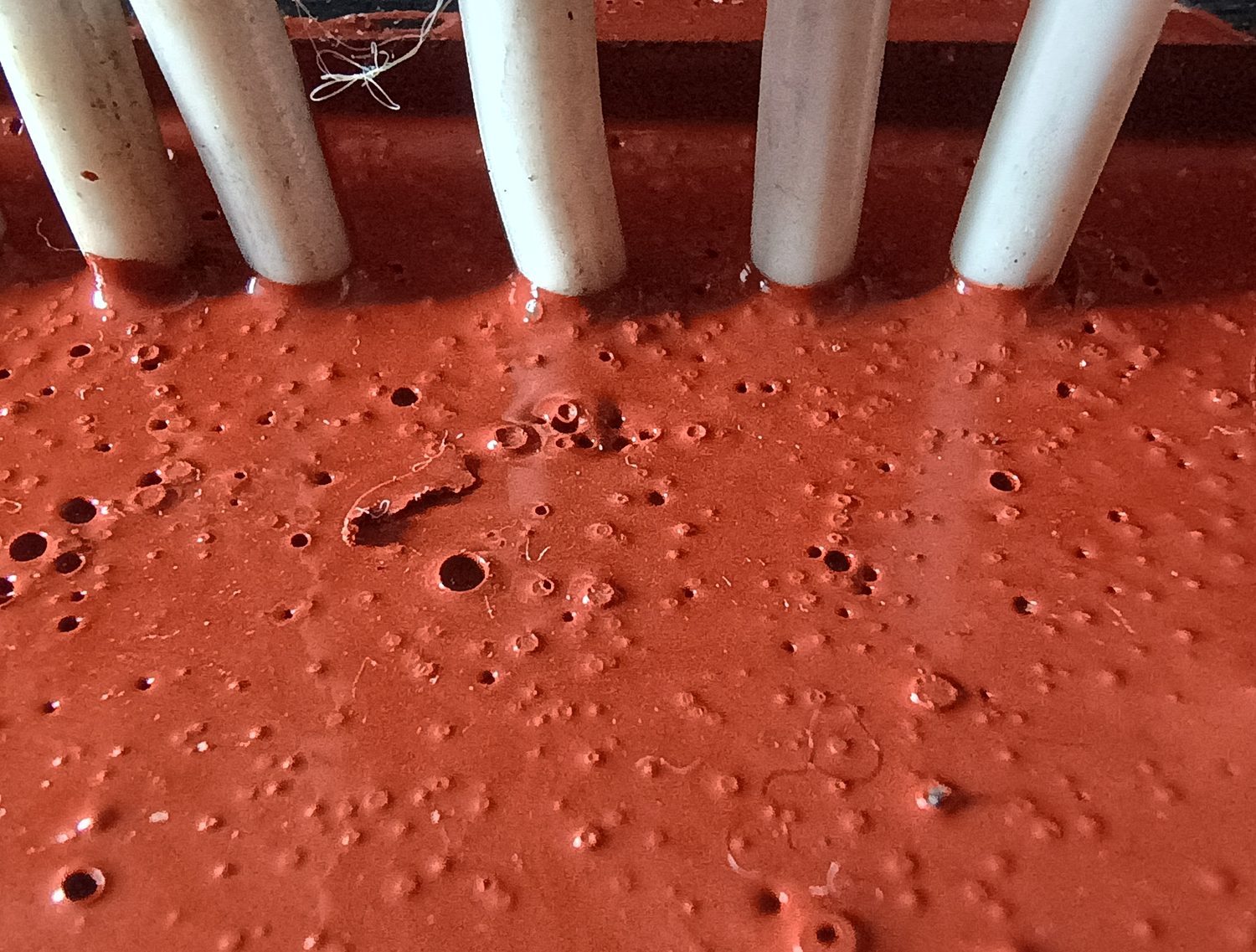
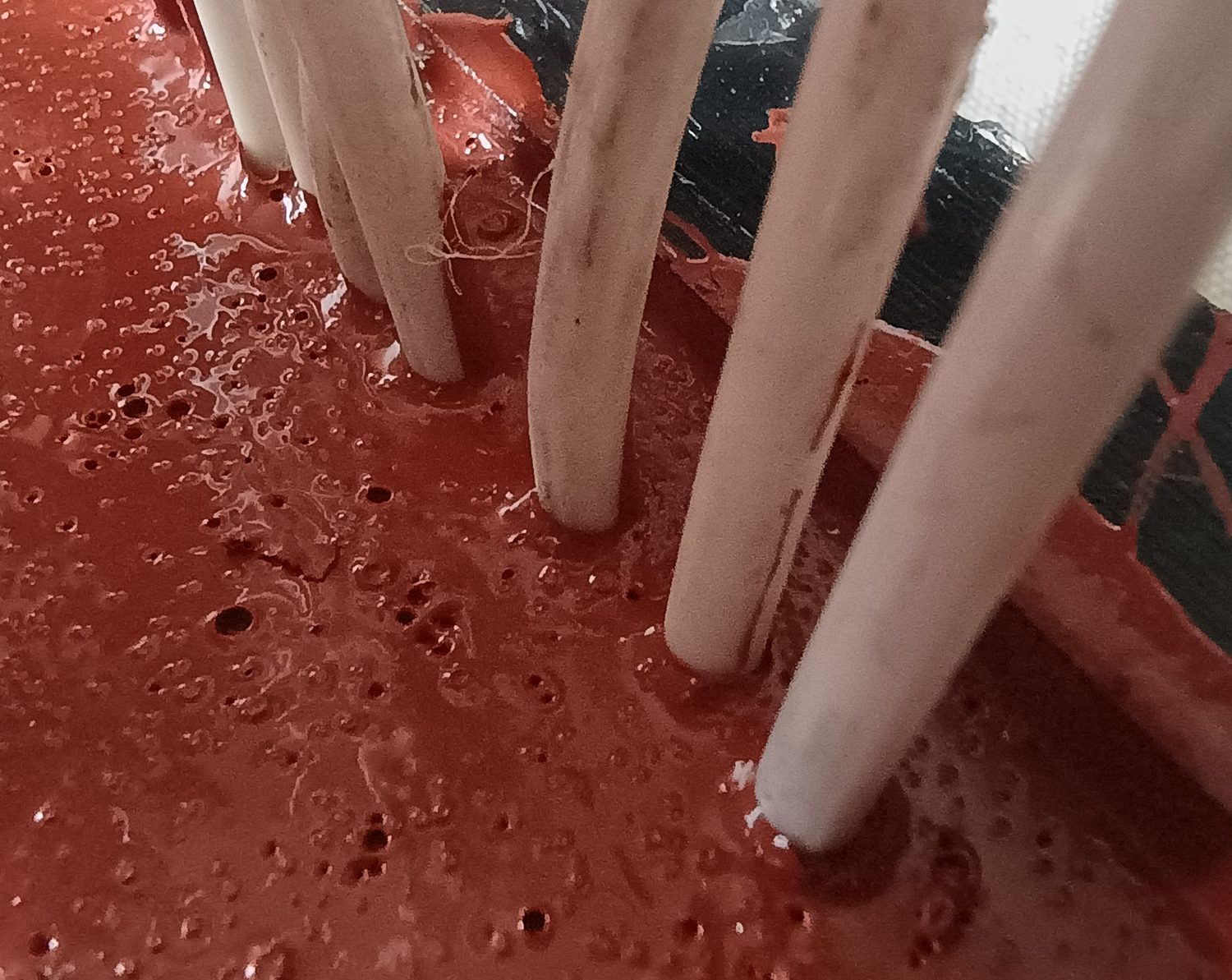
- PourMix the two components and pour while thin, letting it flow around pins and into every cavity, air pushed out ahead of it.
- CureLeave it to polymerize from liquid to a thick gel that bonds to the enclosure and locks the internals in place.
- VerifyCheck fill, adhesion, and that nothing that should move or mate has been fouled.
Where we use it
This is the right tool for small, busy enclosures that have to survive a hostile environment — not for large volumes or where a hard structural pot is genuinely required.
What you get from us
ContiMech handles the whole step, not just the pour: choosing and qualifying the right compound for your environment, designing the potting process so it's repeatable, and building it into your housing or connector — with an eye on rework, inspection, and the standards your product answers to.
Have a housing or connector that keeps failing in the field?
Tell us what the part is, what it's exposed to, and how it's failing now. We'll tell you whether potting is the answer, which compound fits your temperature and environment, and how we'd build the process — straight, with no upsell.
An empty enclosure is a liability. Fill it with the right gel and the same part shrugs off the shaking, the damp, and the heat that used to kill it.